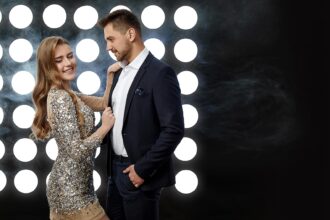
The world of fashion has always been a vibrant dance between experimentation and tradition, but no trend better encapsulates this elegant interplay than the return of the power suit. Once considered the exclusive domain of boardrooms and formal occasions, tailoring now strides confidently across diverse social settings, fueled by renewed appreciation for craftsmanship, personal style, and the innate confidence only a meticulously fitted suit can confer. As society shifts toward self-expression and empowerment, the power suit—once symbolic of authority and ambition—becomes a garment reimagined, inclusive, and fiercely modern.
- A Historical Perspective: Tracing the Evolution of the Power Suit
- From Aristocracy to Accessibility: The Early Days of Tailoring
- 20th Century Power: Hollywood Glamour and Wall Street Ambition
- Inclusivity Emerges: Women’s Tailoring Revolution
- Modern Tailoring: A Revolution in Craft and Fit
- Meticulous Artistry: Precision in Every Stitch
- The Rise of Bespoke and Made-to-Measure
- Fabric Innovations: Melding Comfort With Style
- Cultural Impact: Status, Empowerment, and Social Statements
- In the Boardroom
- On the World Stage: Media, Politics, and Pop Culture
- Everyday Empowerment: Beyond the Office
- Power Suiting for All: Embracing Diversity and Personal Identity
- Inclusive Sizing and Customization
- The Democratization of Tailoring
- Color, Pattern, and Texture: Express Yourself
- Gender Revolution: Blurring the Lines in Power Suiting
- Celebrity Culture: Shaping the Power Suit Narrative
- Red Carpet Influence
- Social Movements and Awareness
- Fashion Icons and Viral Moments
- The Power Suit in the Era of Remote Work
- Virtual Influence
- Design Trends Defining Modern Power Suiting
- Silhouettes and Structure
- Innovative Fabrics and Colors
- Mixing and Matching
- The Art of Accessorizing: Elevating the Power Suit
- Essential Accessories
- Details Matter
- Sartorial Etiquette: Wearing the Power Suit Well
- Dress for the Occasion
- Fit Fundamentals
- Sustainable Tailoring: Eco-Conscious Power Suits
- Materials and Manufacturing
- Longevity and Repair
- Transparency and Ethics
- Innovation in Tailoring: Embracing the Future
- Technology and Personalization
- Performance and Utility
- Circular Fashion
- Power Suiting as a Cultural Lexicon
- Power Suiting in the Modern World: Why it Matters
- Empowerment and Confidence
- Adaptability
- Legacy
- Conclusion: Tailoring’s Bold Comeback is Just the Beginning
- FAQ (Frequently Asked Questions)
A Historical Perspective: Tracing the Evolution of the Power Suit
From Aristocracy to Accessibility: The Early Days of Tailoring
Tailoring dates back to the European aristocracy, where wearing a bespoke suit was as much about displaying one’s social standing as it was about aesthetics. In the Victorian era, master tailors thrived, catering exclusively to the upper echelons of society. These artisans worked with luxurious fabrics—wool, cashmere, silk—crafting three-piece suits with painstaking attention to detail.
-
The Birth of Key Elements: The lapel, cuff, and structured shoulders that define modern power suiting have their roots in this period.
-
Form Follows Function: Suits provided both elegance and utility, ensuring the gentleman was always prepared, regardless of circumstance.
As industrialization democratized fashion, tailored suits became more widely accessible, symbolizing not just wealth, but also aspiration, progress, and self-assuredness.
20th Century Power: Hollywood Glamour and Wall Street Ambition
The 20th century saw the power suit evolve dramatically, woven into the tapestry of global culture:
-
Post-War Optimism and the American Dream: Mass production made suiting widespread among the burgeoning middle class. Suits became a uniform for those wishing to project reliability and ambition.
-
Hollywood’s Influence: Movie icons—think Cary Grant, Marlene Dietrich, later Gordon Gekko—transformed the tailored suit into a symbol of sex appeal, wit, and sophistication.
-
The 1980s Power Suit: Marked by padded shoulders, sharp lapels, and bold pinstripes, this era’s suit was all about making a statement. Designers like Giorgio Armani and Ralph Lauren redefined masculine elegance, while women like Joan Collins and Grace Jones used the suit to challenge gender expectations and claim their place in the professional world.
Inclusivity Emerges: Women’s Tailoring Revolution
The latter half of the 20th century marked a crucial shift as tailored suits became vehicles for women’s empowerment:
-
Breaking Barriers: Pioneering female professionals adopted the suit, signaling independence, capability, and authority in male-dominated spheres.
-
Style Innovations: Designers tweaked the silhouette to flatter the female form—raising waistlines, accentuating curves, introducing new fabrics and bold color palettes.
-
Icons of Style: From Marlene Dietrich’s androgynous tuxedos to Hillary Clinton’s iconic pantsuits, the suit became a symbol of aspiration and progress for all genders.
Modern Tailoring: A Revolution in Craft and Fit
Meticulous Artistry: Precision in Every Stitch
Today’s power suit is the result of years of refinement and innovation in tailoring. Whether off-the-rack or bespoke, contemporary suits reflect unparalleled attention to detail.
-
Construction Matters: Structured shoulders and cinched waists create a balanced silhouette, projecting confidence and elegance.
-
Hand-Finished Details: Invisible stitching, pick-stitched lapels, and functioning buttonholes—all signs of a quality suit—elevate the garment far beyond factory-made alternatives.
-
Fabrics for the Future: Beyond traditional wools and cottons, designers employ high-tech blends offering benefits such as breathability, moisture control, and wrinkle resistance.
The Rise of Bespoke and Made-to-Measure
While ready-to-wear suits remain popular for their accessibility and price, the demand for custom tailoring is surging:
-
Bespoke: The epitome of luxury; every element is handcrafted to client specifications, typically involving multiple fittings and deep consultation.
-
Made-to-Measure: Offers personalized tweaks to an existing pattern—think adjusted sleeve lengths, waist suppression, and lapel styles. It balances individualized fit with quick turnaround.
-
Why It Matters: A perfectly-fitted suit not only flatters but improves posture, self-assurance, and even mood—studies show clothing can affect cognitive and psychological performance.
Fabric Innovations: Melding Comfort With Style
The modern buyer seeks more than aesthetics; comfort and sustainability often sit at the forefront of purchasing considerations.
-
Performance Textiles: Suits now breathe, stretch, and resist wrinkles, ideal for professionals constantly on the move.
-
Sustainable Choices: Eco-friendly wool blends, recycled materials, organic cotton, and low-impact dyes help align sartorial excellence with environmental conscience.
-
Four-Season Wearability: Light, breathable wool suits can transition from the chill of spring mornings to balmy summer evenings with ease.
Cultural Impact: Status, Empowerment, and Social Statements
In the Boardroom
The power suit remains the gold standard for asserting professionalism, particularly in industries where first impressions matter.
-
Authority and Credibility: Studies link formal attire to perceptions of competence and leadership, influencing everything from negotiations to hiring decisions.
-
Psychological Empowerment: Donning a tailored suit can enhance self-esteem and negotiation outcomes.
On the World Stage: Media, Politics, and Pop Culture
-
Political Statements: Throughout history, leaders have used the power suit to undergird campaigns of reform, disruption, and empowerment. A well-chosen suit speaks volumes without a word.
-
Entertainment Icons: Musicians, actors, and artists use suits as performance pieces—Madonna’s cone-bra suit, Beyoncé’s stage blazers, Harry Styles’s gender-fluid tailoring—pushing boundaries and shaping global trends.
-
Fashion Activism: Whether it’s the “Black Suit” protest at the Golden Globes or the white pantsuits of the suffragette movement, the suit remains a powerful medium for social commentary.
Everyday Empowerment: Beyond the Office
New generations have embraced the suit as a mechanism of self-expression, blending high fashion with street style:
-
Unconventional Pairings: Turtlenecks, sneakers, and graphic tees update the suit for daytime wear.
-
Androgynous Dressing: Many opt for oversized blazers and wide-legged trousers, reflecting a modern, fluid sense of gender identity.
-
Customization: Custom linings, bold monograms, and creative color combinations foster unique personal brands.
Power Suiting for All: Embracing Diversity and Personal Identity
Inclusive Sizing and Customization
Tailoring has progressed beyond rigid sizing to cater to people of all body types:
-
Adaptive Patterns: Pattern adjustment ensures a flattering fit for petite, plus, tall, and athletic bodies.
-
Accessibility Design: Sensory-friendly and easy-to-wear options—think soft seams and stretch panels—make suits accessible to all.
The Democratization of Tailoring
Digital innovation and global accessibility have revolutionized suit shopping.
-
Online Customization: Companies like Suitsupply and Indochino have made virtual consultations, 3D fittings, and online customization mainstream.
-
Affordable Made-to-Measure: Advances in manufacturing allow for custom suits at a fraction of bespoke prices.
-
Global Craftsmanship: Artisans from Italy to Japan now offer worldwide shipping, blending regional aesthetics with international flair.
Color, Pattern, and Texture: Express Yourself
Long gone are the days of monochromatic, uniform suits. The modern power suit is a canvas for individuality:
-
Color Trends: Pastel blazers, bold jewel tones, and icy metallics dominate fashion runways.
-
Prints and Patterns: Plaids, checks, florals, and pinstripes communicate confidence and creativity.
-
Mixed-Material Construction: Leather accents, satin lapels, and mixed textures add intrigue to classic silhouettes.
Gender Revolution: Blurring the Lines in Power Suiting
The contemporary power suit is at the center of a broader conversation about gender and identity.
-
Unisex Collections: Leading fashion houses now routinely present unisex or androgynous lines, offering neutral color palettes and hybrid cuts.
-
Role Models: Non-binary and trans influencers, from Billy Porter to Elliot Page, demonstrate that a suit can be empowerment, armor, and art all at once.
-
Barrier-Free Choices: Wear what suits you—style is now dictated by personal preference, not societal expectation.
Celebrity Culture: Shaping the Power Suit Narrative
Red Carpet Influence
-
Redefining Glamour: Stars such as Zendaya, Lupita Nyong’o, and Timothée Chalamet shatter conventions with inventive color, unique tailoring, and unexpected accessories.
-
Retro Revivals: Throwbacks to ‘70s velvet, ‘80s double-breasted cuts, or ‘90s minimalist tailoring make regular appearances at major events.
Social Movements and Awareness
-
Dressing for a Cause: The suit has become synonymous with activism, serving as visual shorthand for movements like MeToo, gender equality, and LGBTQ+ pride.
Fashion Icons and Viral Moments
-
Memorable Moments: Michelle Obama’s tailored ensemble at the U.S. Inauguration, Princess Diana’s statement suits, or Harry Styles’s magazine covers redefine the power suit for new generations.
The Power Suit in the Era of Remote Work
Virtual Influence
With the rise of remote work, the suit hasn’t lost relevance:
-
Digital Dress Codes: Professionals find that even a smart jacket elevates their presence in virtual meetings, conveying organization and leadership.
-
Blurring Boundaries: Pairing a blazer with jeans or sweatpants takes the power suit into relaxed, everyday domains.
-
Hybrid Wardrobe: Versatile suiting allows for seamless transitions from home office to in-person engagements.
Design Trends Defining Modern Power Suiting
Silhouettes and Structure
-
Oversized & Relaxed Blazers: Fashion-forward yet approachable, these signal self-assurance with a hint of nonchalance.
-
Wide-Leg Trousers and Cropped Lengths: Comfort meets aesthetic, offering freedom of movement and dramatic flair.
-
Double-Breasted and Peak Lapels: These timeless details resurface to anchor contemporary freshness.
Innovative Fabrics and Colors
-
Velvet and Corduroy: Luxe textures for cooler months.
-
Linen and Lightweight Wool: Summer staples enabling breathability and fluid movement.
-
Bright, Saturated Tones: Emerald, sapphire, and magenta power up monochromatic looks.
Mixing and Matching
-
Breaking the Mold: Contrasting separates (blazer/pants in different colors or patterns) offer fresh versatility.
-
Sophisticated Layering: Knitted vests, graphic sweaters, or statement accessories modernize the silhouette.
The Art of Accessorizing: Elevating the Power Suit
Essential Accessories
-
Pocket Squares: Personalize your look with color, and pattern.
-
Cufflinks and Watches: Jewelry choices demonstrate polish and distinction.
-
Footwear: The spectrum now includes everything from leather derbies to stylish sneakers.
Details Matter
-
Belts, Scarves, and Ties: These offer additional avenues to express creativity.
-
Functional Accessories: Statement bags, tech pouches, and modern briefcases complete the picture.
Sartorial Etiquette: Wearing the Power Suit Well
Dress for the Occasion
-
Corporate: Classic hues (navy, gray, black) and minimalist design serve best.
-
Celebratory: Try experimentations with velvet, metallics, or patterned fabrics.
-
Casual: Roll up the sleeves, loosen the tie, pair with a tee for understated cool.
Fit Fundamentals
-
Jacket: Shoulders align with natural frame, sleeves finish at the wrist bone, jacket length covers the seat.
-
Pants: Waist fits comfortably above the hip, with hems brushing the tops of shoes or slightly cropped.
-
Proportion: Aim for balance—tailored but never tight.
Sustainable Tailoring: Eco-Conscious Power Suits
Materials and Manufacturing
-
Natural Fibers: Organic cotton, recycled wool, TENCEL™ lyocell.
-
Low-Impact Dyes and Finishes: Reduces water waste, chemical runoff, and pollution.
-
Small-Batch Production: Supports artisans and reduces mass-manufacturing impact.
Longevity and Repair
-
Investment Pieces: One well-made suit can last a lifetime—and even be handed down.
-
Repair and Alteration: Brands now encourage owners to alter or repair instead of discard, reducing fashion waste.
Transparency and Ethics
-
Traceable Supply Chains: Customers want to know where, how, and by whom their clothes were made.
-
Fair Labor: Responsible brands ensure fair wages and safe conditions for all workers.
Innovation in Tailoring: Embracing the Future
Technology and Personalization
-
3D Body Scanners: Capture precise measurements remotely, reducing fittings and returns.
-
AI-Powered Recommendations: Algorithms suggest styles, colors, and fits to suit personality and lifestyle.
-
Virtual Dressing Rooms: Try on suits with augmented reality before you buy.
Performance and Utility
-
Tech-Enhanced Fabrics: Suits are now water-resistant, antibacterial, and temperature-regulating.
-
Integrated Gadgets: Subtle pockets for devices, charging pads, smart textiles to monitor health or posture.
Circular Fashion
-
Rental Services: Try high-quality suits for special occasions without the long-term commitment.
-
Resale Marketplaces: Quality tailoring keeps its value, making resale an environmentally-friendly option.
Power Suiting as a Cultural Lexicon
Despite all the technological innovation and trend cycles, the essence of the power suit remains unchanged: it communicates self-possession, readiness, and intent. Across continents and centuries, the tailored suit has become a universal language.
-
Milestone Markers: Graduation, promotions, weddings, and more—life’s moments often call for a great suit.
-
Tradition and Ritual: Suit shopping can be a rite of passage, signifying maturity and responsibility.
-
Global Appreciation: Each culture brings its own meaning—Japanese sarouel tailoring, Italian sprezzatura, or British Savile Row precision—enriching the global story of the suit.
Power Suiting in the Modern World: Why it Matters
Empowerment and Confidence
Wearing a suit is rarely just about appearance. A well-chosen, well-fitted power suit can:
-
Boost morale and focus: Clothing can literally change your mindset and productivity.
-
Open doors: First impressions matter, and a good suit sends the right signal.
-
Foster Connection: A shared culture of dressing well bonds people in professional and personal spheres.
Adaptability
Never before has the suit been so flexible:
-
Dress it up: For events, important meetings, or milestones.
-
Dress it down: For travel, creative workspaces, or casual weekends.
Legacy
A quality suit is not fast fashion. It lasts, can be tailored or reworked for new owners, and carries memories across generations.
Conclusion: Tailoring’s Bold Comeback is Just the Beginning
The power suit comeback is about celebrating the best of tradition while embracing bold, innovative change. As tailoring evolves, it reflects who we are and who we hope to become. Whether you step out in a bespoke double-breasted masterpiece or a modern, color-blocked creation, the tailored suit empowers, uplifts, and endures.
FAQ (Frequently Asked Questions)
-
What distinguishes a power suit from a standard suit?
The power suit is defined by sharper tailoring, bold details, and an aura of confidence. It’s constructed to make an impression. -
Why is tailoring making a strong comeback now?
Consumers crave personal expression, sustainability, and lasting quality—all hallmarks of fine tailoring. -
Are power suits for both men and women?
Absolutely. Both genders—and all identities—embrace power suiting for empowerment and style. -
What fabrics are best for power suits?
Premium wool, cotton blends, performance textiles, linen for summer, and textured options like velvet or corduroy for flair. -
How do you ensure a suit fits properly?
Shoulders aligned, sleeves to wrist, jacket covers the seat, pants sit comfortably at waist and skim shoes. -
Can I wear a suit casually?
Yes! Pair with sneakers, tees, or open-collared shirts for a relaxed yet sophisticated look. -
How does sustainability influence modern tailoring?
Brands use recycled, organic materials, ethical production, and encourage repairs and alterations. -
Are power suits comfortable?
With advancements in fabrics and design, modern suits offer both comfort and structure. -
Can accessories make or break a suit?
Well-chosen accessories—ties, pocket squares, jewelry, footwear—elevate the impact of any suit. -
Is bespoke tailoring worth the investment?
Yes, for uniqueness, fit, and quality—these suits often last generations. -
What current trends should I consider?
Oversized blazers, vintage cuts, bold colors, and genderless tailoring lead today’s style. -
How do I choose a suit for my body shape?
Consider custom or made-to-measure options, focus on comfort, and consult with experienced tailors. -
How are celebrities influencing the suit’s comeback?
By taking risks—experimenting with color, pattern, and fit—celebrities inspire new interpretations. -
What is the future of power suits?
Expect continued personalization, sustainability, smart textiles, and an increase in digital/virtual tailoring. -
Does a suit really affect confidence and performance?
Studies confirm: formal clothing enhances confidence, focus, and even negotiation success.